Electrical Plumbing & Sanitary
Metal Tone Interiors Dubai UAE
Electrical, plumbing, and sanitary systems are critical components of building infrastructure, providing essential services for residential, commercial, and industrial properties. Here’s an overview of each:
Electrical Systems:
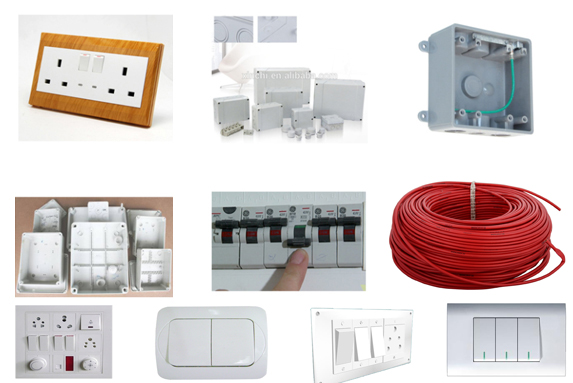
- Wiring and Circuits: Electrical wiring distributes power throughout a building. It includes circuits that connect outlets, switches, and appliances.
- Lighting: Designing and installing lighting systems for both functional and aesthetic purposes, including fixtures, switches, and controls.
- Power Distribution: Managing the distribution of electrical power from the main source to various outlets and devices.
- Safety Measures: Incorporating safety features such as circuit breakers, grounding, and surge protection to prevent electrical hazards.
Plumbing Systems:
- Water Supply: Designing and installing systems that provide a reliable and sufficient water supply to various parts of a building.
- Fixtures and Appliances: Installing sinks, faucets, toilets, showers, and other plumbing fixtures and connecting appliances like dishwashers and washing machines.
- Drainage: Creating systems for the safe and efficient removal of wastewater and sewage from the building.
- Water Heating: Installing water heaters to provide hot water for bathing, cooking, and other purposes.
- Water Conservation: Implementing measures to conserve water, such as the use of low-flow fixtures and efficient irrigation systems.
Sanitary Systems:
- Waste Disposal: Managing the safe and sanitary disposal of solid waste generated within a building.
- Sewage Systems: Designing and installing systems to transport and treat sewage from the building, typically connecting to municipal sewage systems or septic tanks.
- Ventilation: Providing ventilation systems to remove unpleasant odors and ensure proper air circulation in sanitary spaces.
- Backflow Prevention: Implementing measures to prevent the contamination of potable water with non-potable water or substances.
Integration and Coordination:
- Coordination between electrical, plumbing, and sanitary systems is crucial during the design and construction phases to avoid conflicts and ensure efficient use of space.
- Proper integration of these systems is essential for the overall functionality and safety of a building.
Code Compliance:
- All electrical, plumbing, and sanitary installations must comply with local building codes and regulations to ensure safety and environmental standards are met.
Maintenance and Repairs:
- Ongoing maintenance is necessary to ensure the continued reliability and efficiency of electrical, plumbing, and sanitary systems. Prompt repairs are essential to address any issues that may arise.
Green Building Practices:
- Increasingly, there is a focus on incorporating energy-efficient and sustainable practices in electrical and plumbing systems to reduce environmental impact.
Projects Done
0
+
Happy Clients
0
+
Metal Tone interiors Dubai UAE
Electrical Plumbing & Sanitary
These systems collectively contribute to the comfort, safety, and functionality of a building. Professionals in these fields, such as electricians, plumbers, and sanitary engineers, play a crucial role in the design, installation, maintenance, and repair of these essential building systems.